
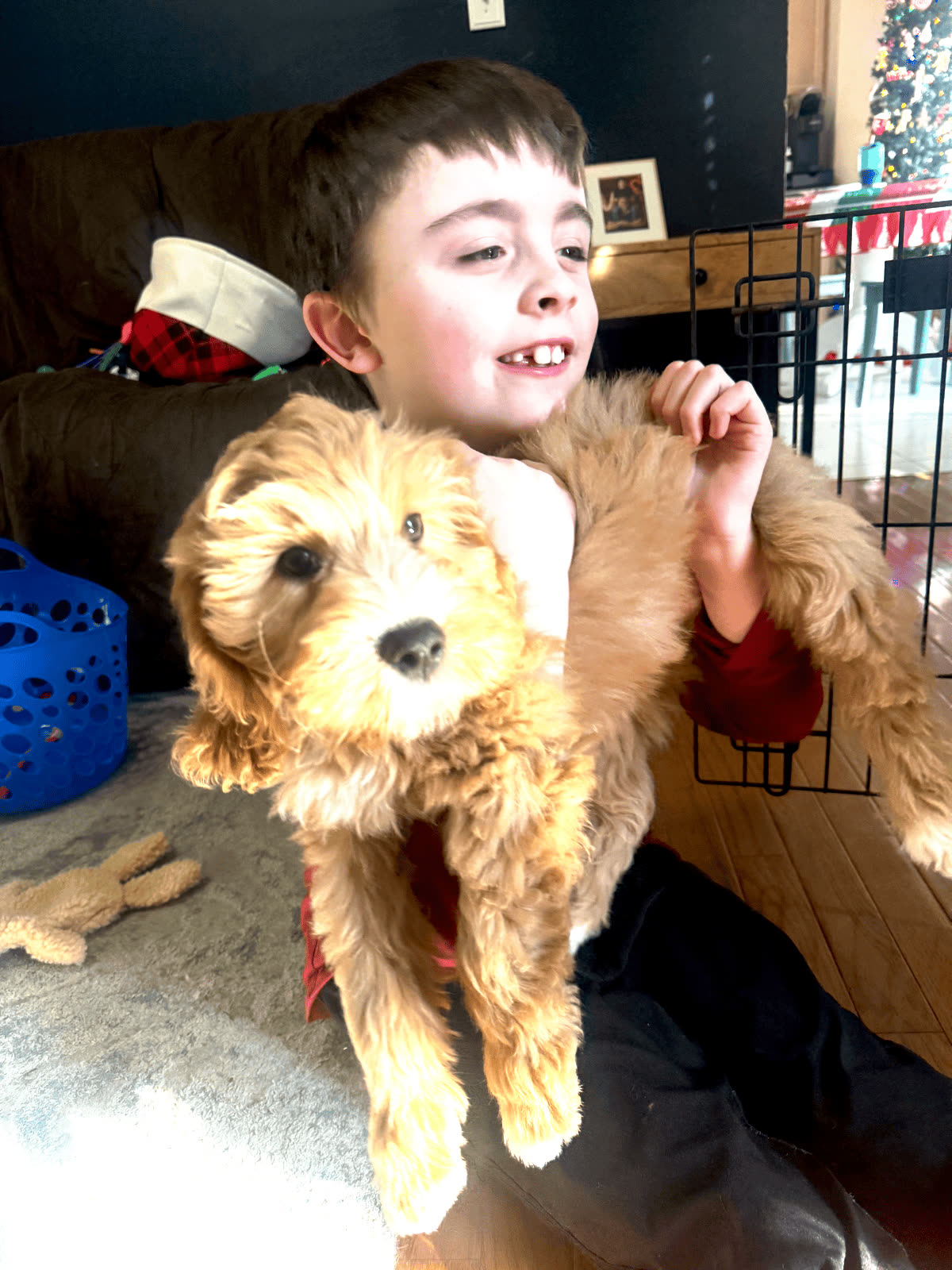
When the Traditional Path Feels Out of Reach
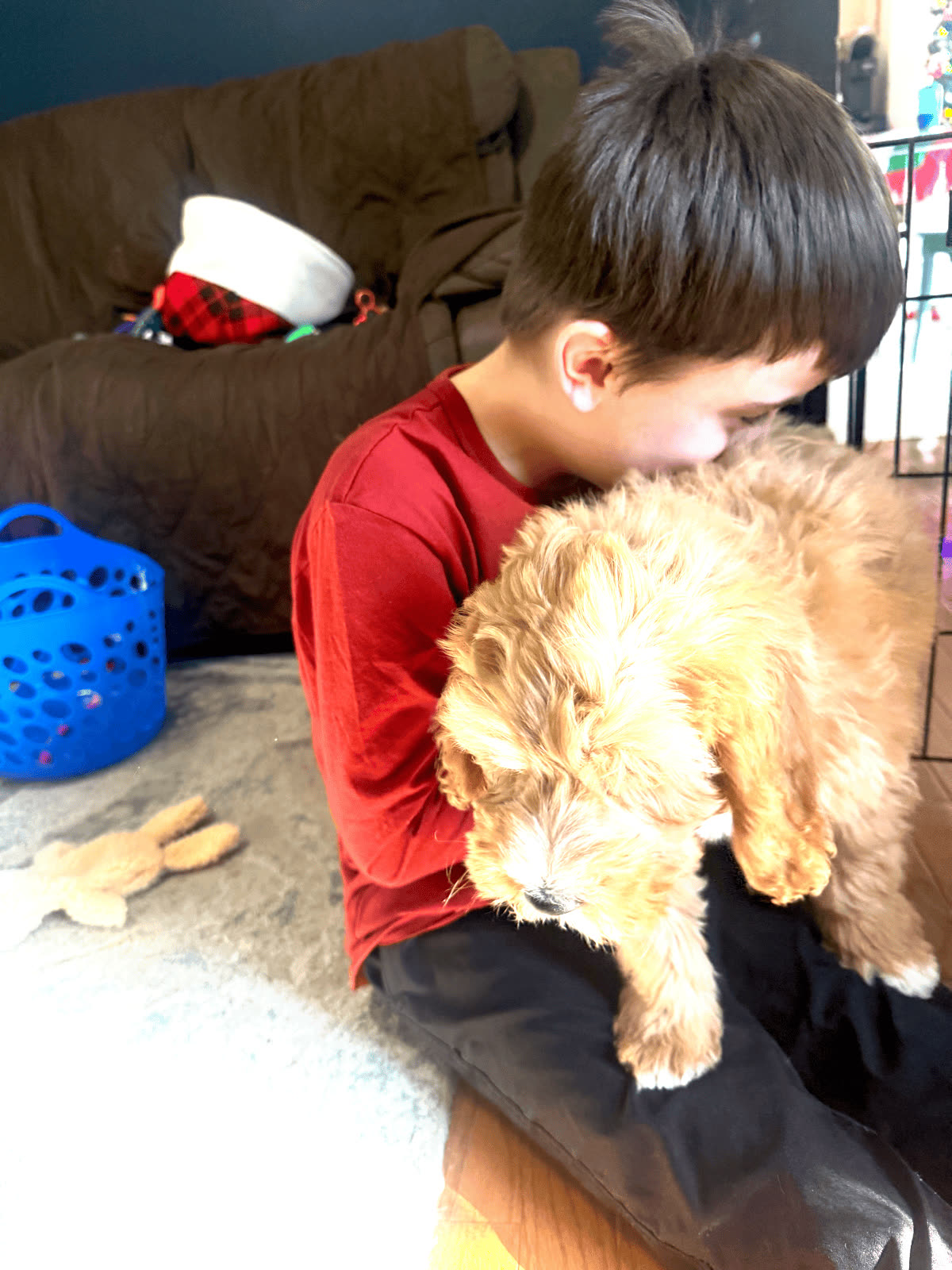
If you’ve started researching support dogs for your child, you’ve likely seen the same reality.
- Service dogs often cost $20,000–$40,000+
- Waitlists can be several years long
- And it can feel like that’s the only option
For many families, that creates a quiet kind of discouragement—wanting support for your child, but unsure how to realistically get there.
What often gets overlooked is this: support doesn’t have to come in only one form.
For families searching now
If the service dog cost autism families often face feels overwhelming, you are not alone. There may be another path worth considering.
The Missing Middle
Most conversations frame this as a binary choice: a fully trained service dog, or no support at all.
Option 1
Fully trained service dog
The missing middle
A carefully selected companion dog, placed with intention
Option 2
No support at all
But there is a meaningful middle ground—one that many families have never been shown. A companion dog for autism can provide daily emotional and behavioral support that is deeply impactful for a child with autism or other special needs.
Not every child requires complex, task-specific training from day one. Many need something just as powerful:
- Consistent companionship
- Emotional grounding
- A calming, steady presence
- A relationship they can rely on
From Companion to Purpose-Driven Support
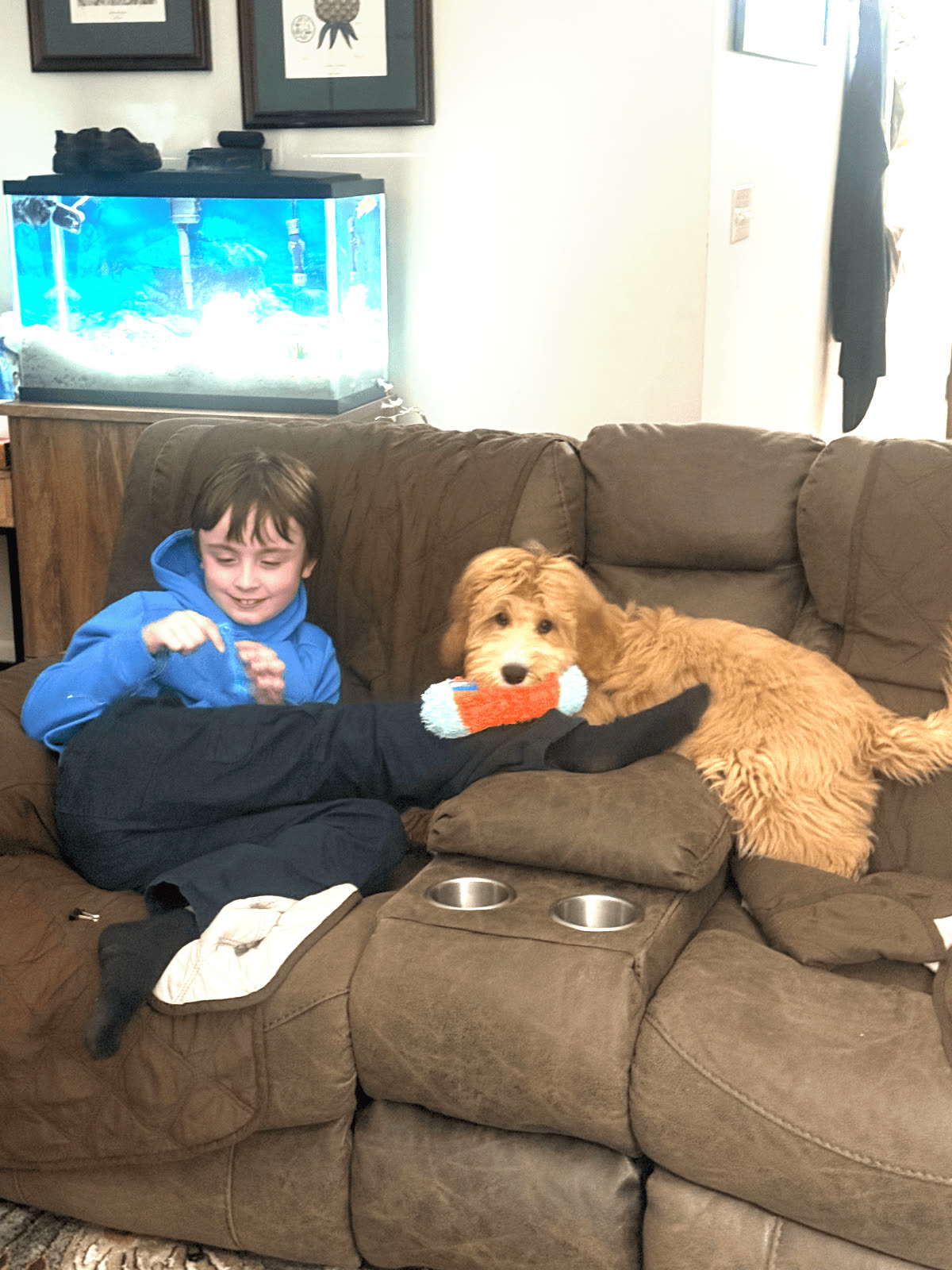
A LifePaws dog begins as a companion puppy—but that is only the starting point.
These dogs are intentionally chosen for calm, intuitive temperament, emotional awareness, and the ability to adapt within a family environment.
Dogs don’t just learn commands—they learn their person.
As the bond grows, many of these dogs begin to naturally step into supportive roles within the home. For some families, this becomes a meaningful autism support dog alternative that grows with the child.
With gentle guidance and consistency, these natural responses can be shaped into more defined support behaviors. In some homes, that support may eventually resemble what families hope for from a therapy dog for a special needs child.
Families often notice their dog:
- Staying close during moments of stress or overstimulation
- Offering physical closeness or calming pressure
- Following emotional patterns and routines
- Responding in ways that help regulate the child
What 20+ Years Has Shown Us
Over the past two decades, we’ve seen something consistent.
Dogs don’t just learn commands—they learn their person.
They begin to recognize when a child is becoming overwhelmed, when to move closer, when to give space, and how to respond in ways that bring calm and stability.
In many homes, these dogs grow into the exact role that is needed—not because they were trained to follow a rigid program, but because they were the right match from the beginning.
A More Natural Path for Many Families
- A relationship that starts early and grows over time
- Support that develops naturally within the home
- A more flexible and personal approach
- Structured training that can be layered in later if needed
For some children, a fully trained service dog is absolutely the right fit. But for others, beginning with a companion dog allows support to develop in a way that feels more natural, personal, and sustainable.
This path is not lesser—it is simply different. And for many families, it is exactly what works.

Accessibility Matters
Cost should not be the reason a child goes without support.
At LifePaws, we are building a model that helps families access the right dog without overwhelming financial barriers, involve their community through fundraising support, and move forward without years of waiting.
For families exploring an emotional support dog autism child journey, accessibility matters just as much as placement. Support should be accessible, not out of reach.
A Thoughtful Perspective
Not every companion dog will become a fully trained service dog. But many develop meaningful, responsive support behaviors that can make a profound difference in daily life.
That perspective matters because trust is built through honesty. LifePaws is not promising a one-size-fits-all solution. We are offering a thoughtful path for families who may need something more accessible, more personal, and more realistic.
And for many families, that difference is everything.